

Flow Art & Psychology
Inviting
body, mind and attention
into meaningful flow.
How I Found Flow
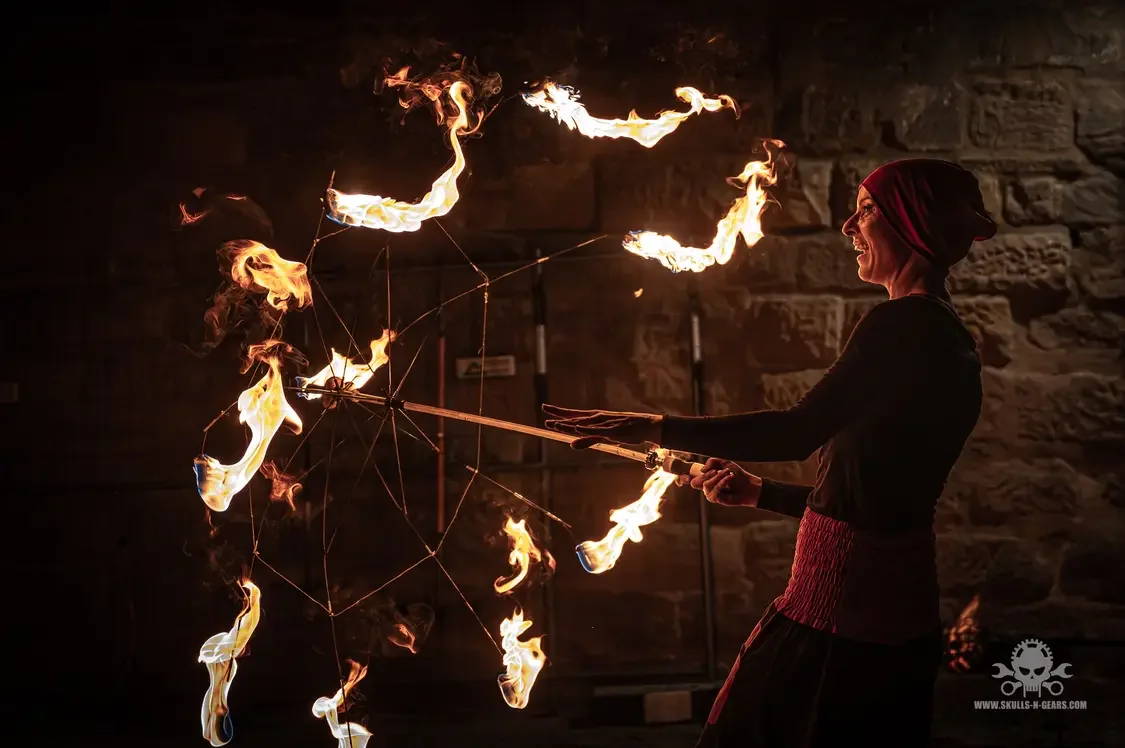
During my psychology studies, I discovered hula hooping. What began as playful movement became a direct entry point into the flow state: focused presence in which learning, action, and experience naturally align. Flow arts became an important resource for meeting the mental demands of my work - including forensic settings and crisis support.
Not as distraction, but as a way to stay regulated and internally connected. Regular flow experiences strengthened my self-regulation and attentional control, especially meaningful after being diagnosed with ADHD in adulthood. I understand flow arts as the art of entering movement - and just as consciously returning to stillness. The body becomes a dialogue partner, not a tool.
Flow Psychology - Happiness, Learning, and Health.
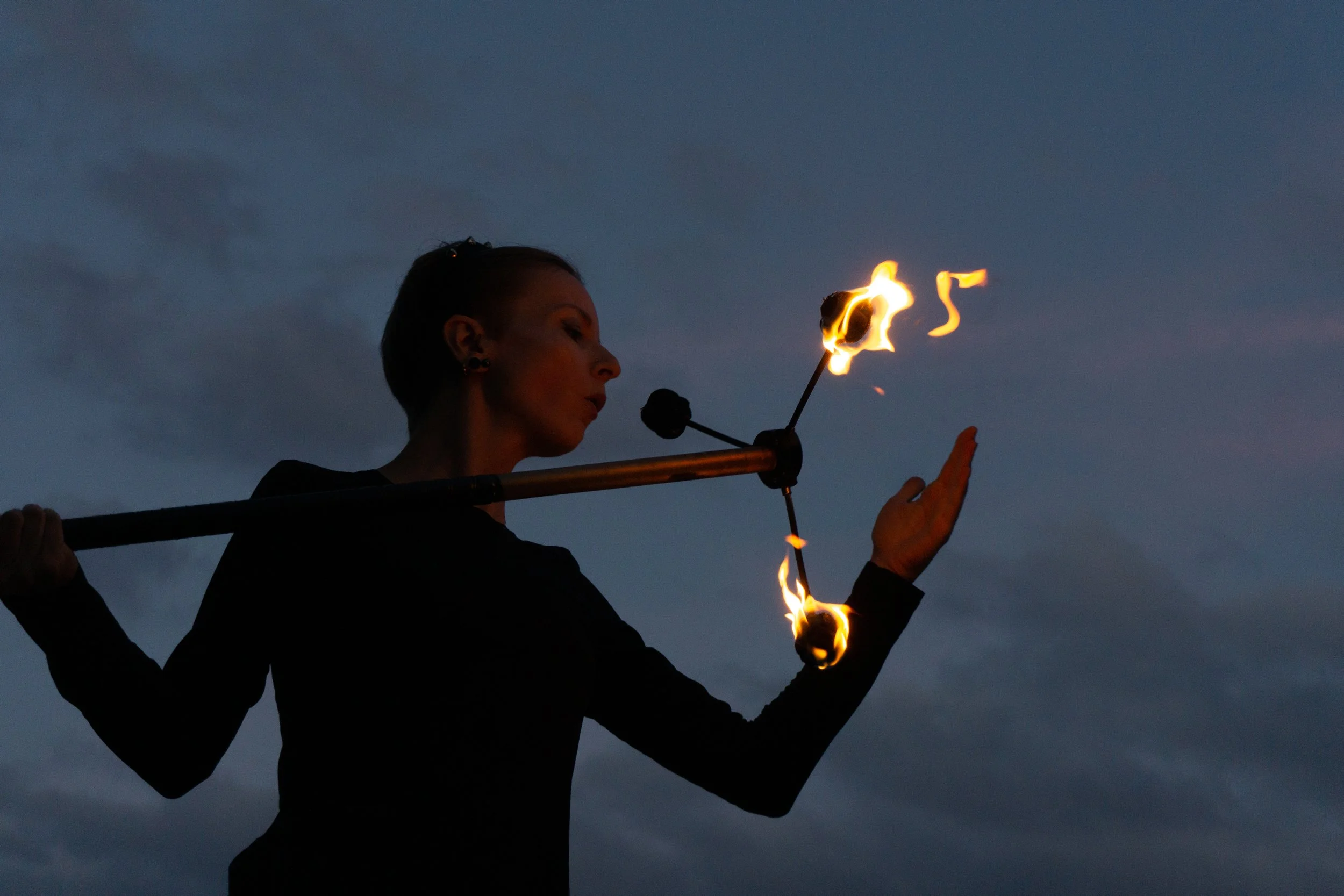
Flow psychology is often called the psychology of happiness. Not euphoria, but a state where brain, body, and attention move into balanced cooperation.
Flow is associated with increased neuroplasticity, improved emotional regulation, and well-regulated nervous system activation. It arises through genuine engagement - while creating art, repairing a car, playing chess, or swinging a hula hoop.
In clinical contexts, the focus lies on symptom reduction. In my work, I also keep health development and resources in view - even when something is no longer pathological, yet still feels blocking. Flow emerges when people let evaluative thinking recede and follow informed bodily intuition. An open, non-self-judging attitude creates the conditions for this. Fear and joy are physiologically similar - learning not to interpret activation as danger expands access to flow.
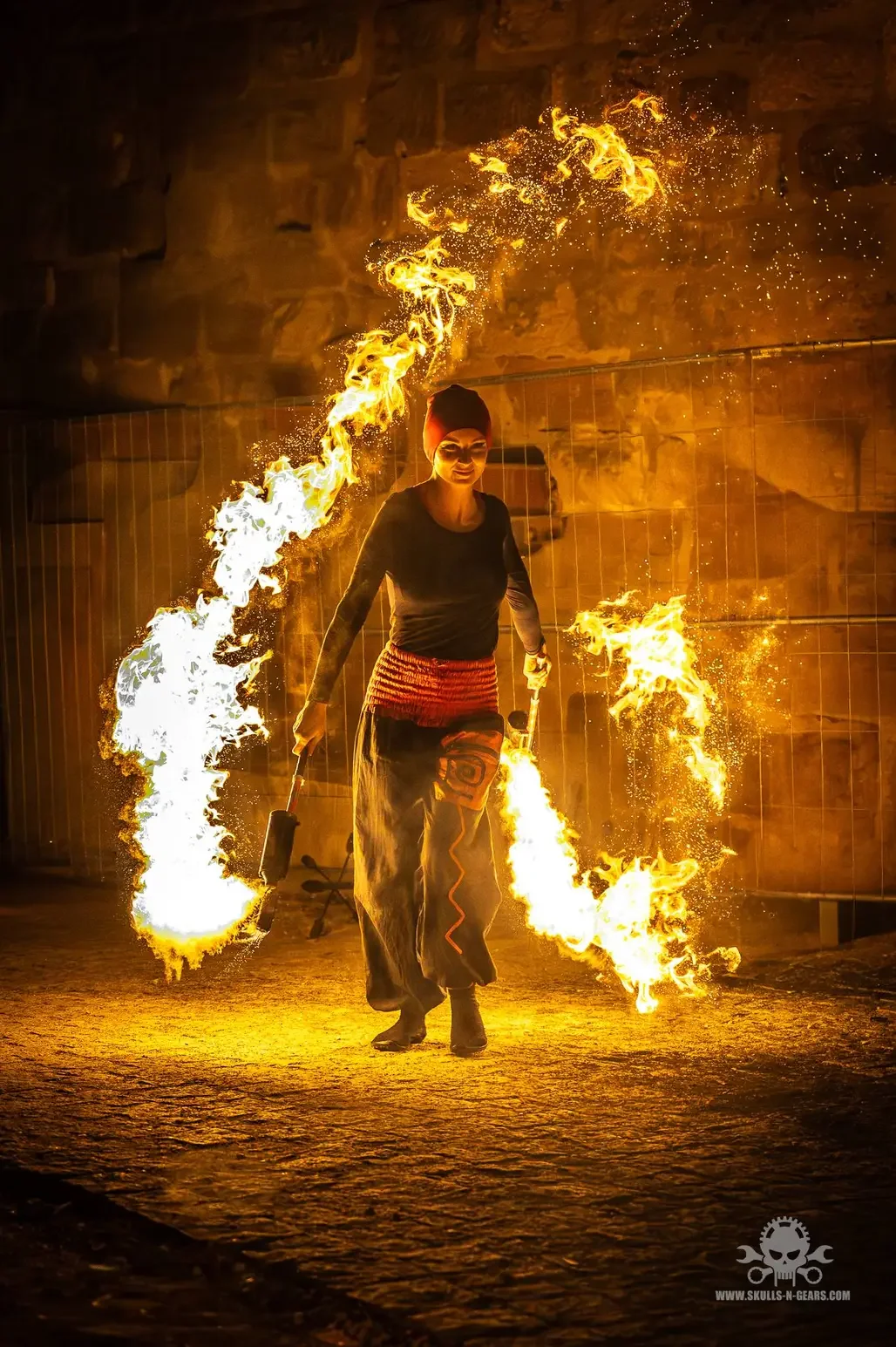
Flow Arts as applied Psychology
⋅
Flow Arts as applied Psychology
⋅
Flow Arts as applied Psychology ⋅ Flow Arts as applied Psychology ⋅
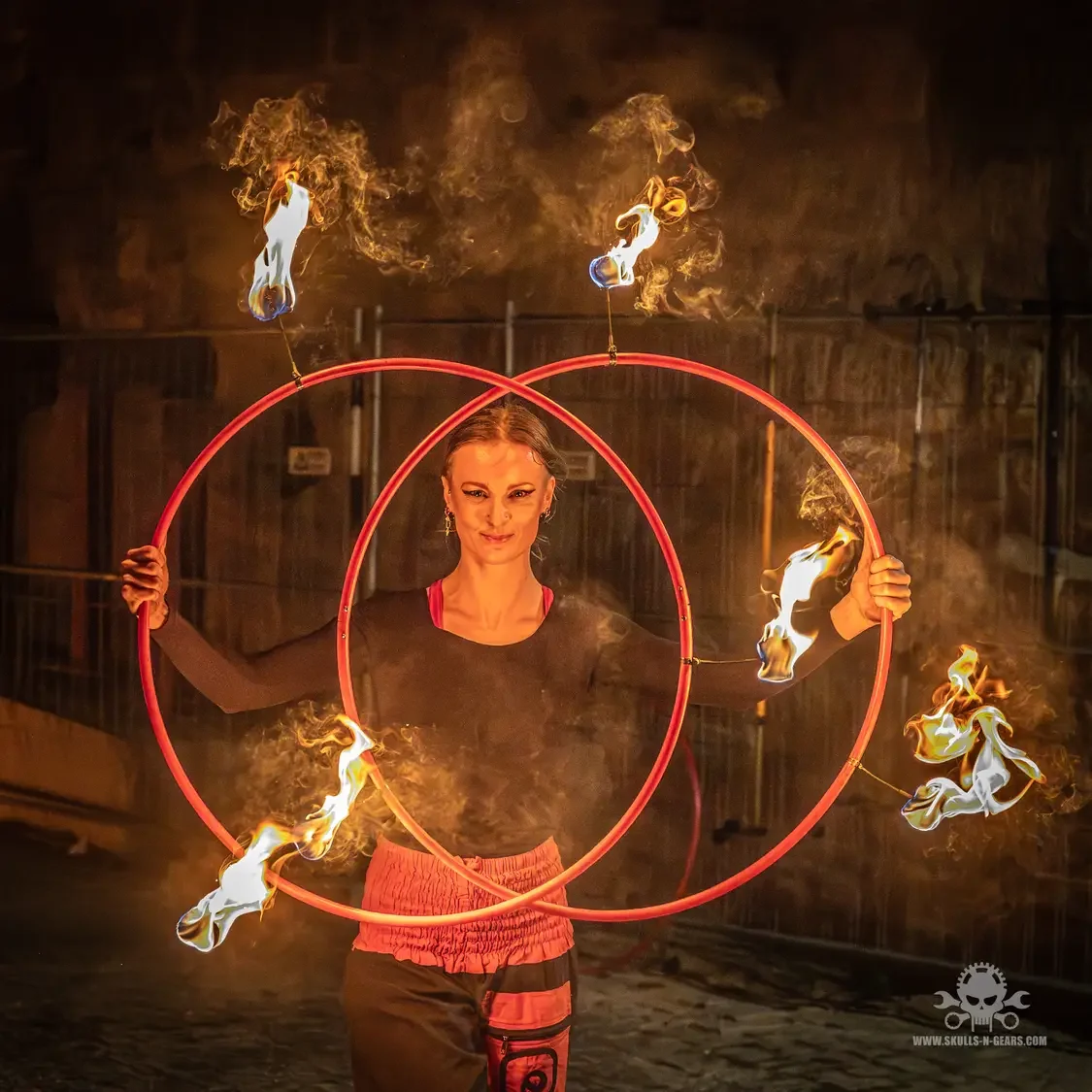
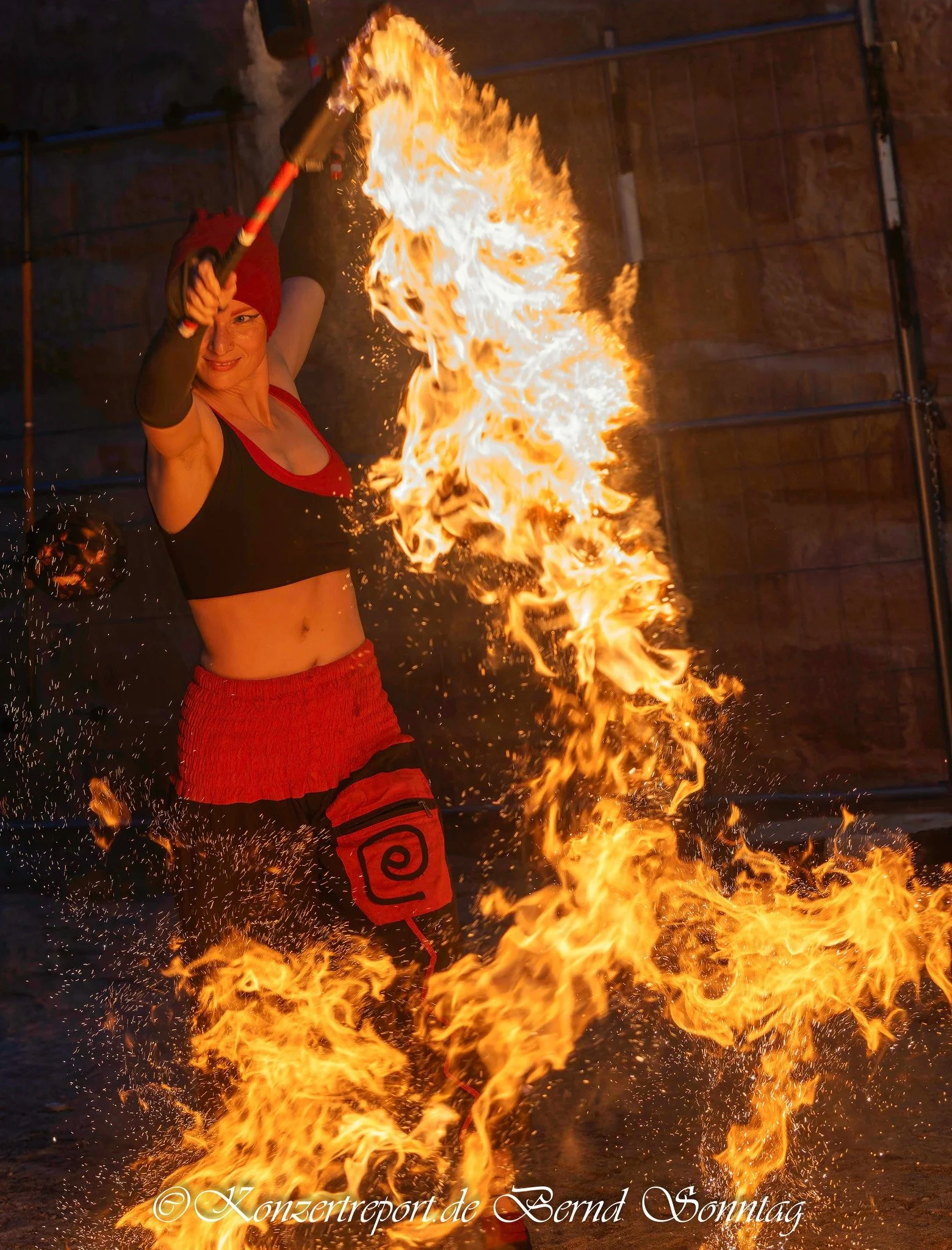
Flow arts make tangible how attention, self-regulation, and learning capacity interact.
Through rhythmic, playful movement - often involving bilateral stimulation familiar from EMDR - an experiential space opens that interrupts rumination, strengthens self-efficacy, and allows change. Not as a technique, but as a stance. This perspective informs my therapeutic and consulting work as well as how I design seminars. Change does not arise from insight alone, but from a curious, sometimes playful relationship with oneself.
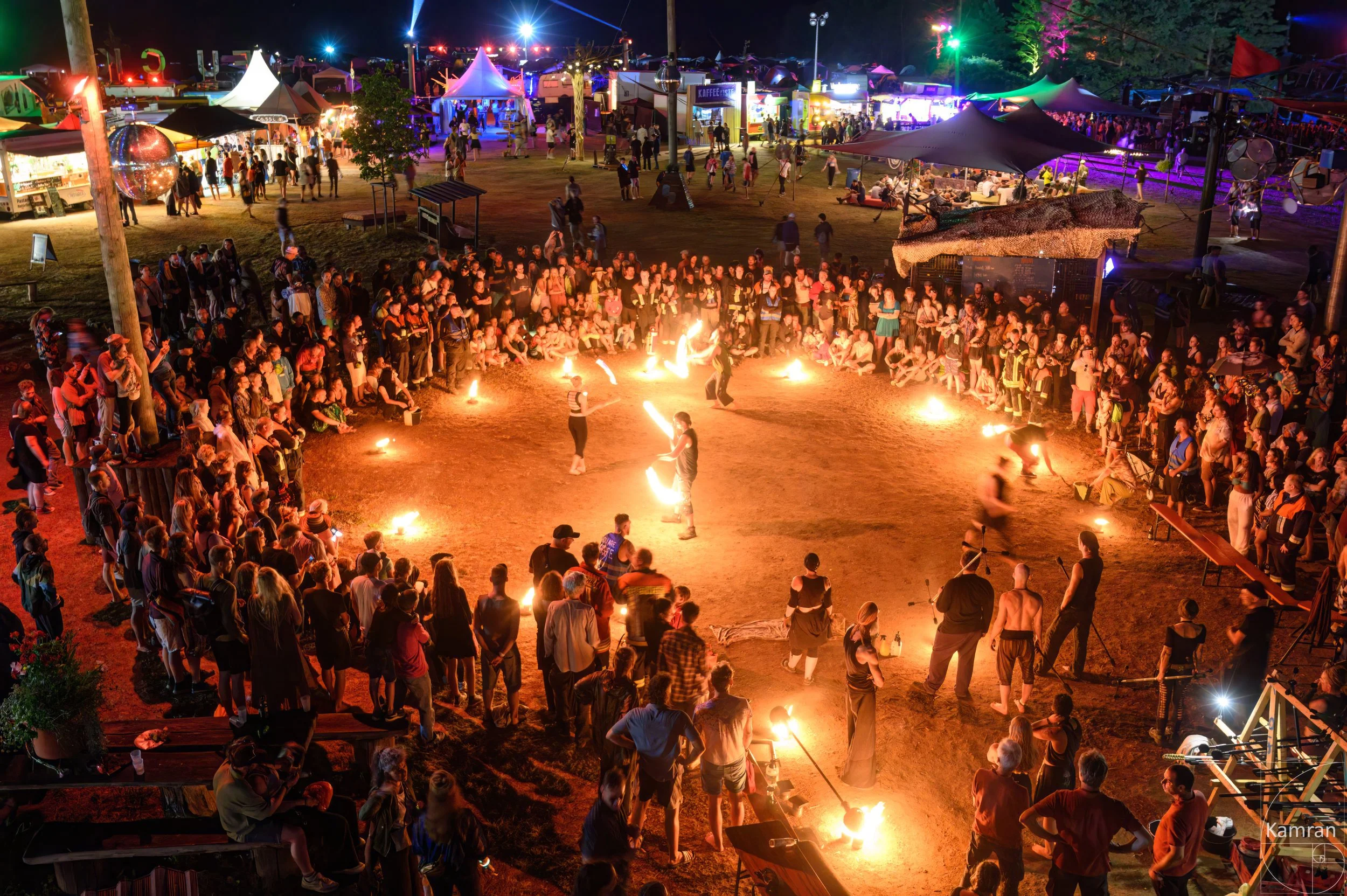
Teaching, Learning, Performing
For several years, I've been contributing to international flow course formats, translating psychological concepts into accessible, embodied learning. My work as a self-taught performer has trained me to make abstract ideas tangible - through rhythm, metaphor, and physical presence.
Visibility, Courage, and Trust
I know from personal experience what intense stage fright, performance anxiety, and impostor feelings are like - and how to work with them. As a self-taught artist, I’ve learned to stay present despite uncertainty and to trust my own expression.
The wish to help people shine - in performative moments as well as in one-on-one work or seminars - runs through all areas of my life and work.
Halloween Lighttrails at Quarry Bank Mill, October 2025.
Embodying a fire witch for Let's Circus at Culture Creative's Halloween Lighttrails.